
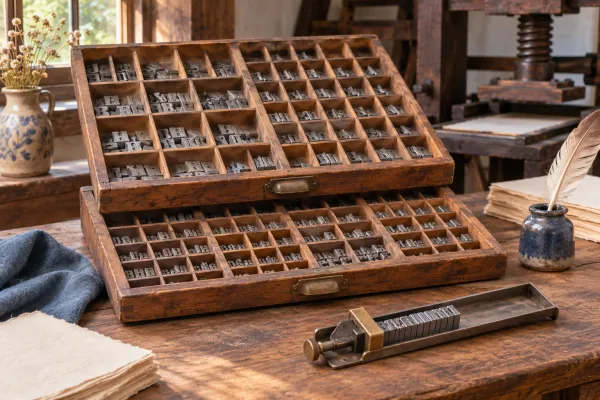
Why Are They Called Lowercase Letters?
Uppercase and lowercase began as real places in a printer's workshop. See how handwriting, metal type, and wooden cases shaped the names we use.
Uppercase and lowercase began as real places in a printer's workshop. See how handwriting, metal type, and wooden cases shaped the names we use.
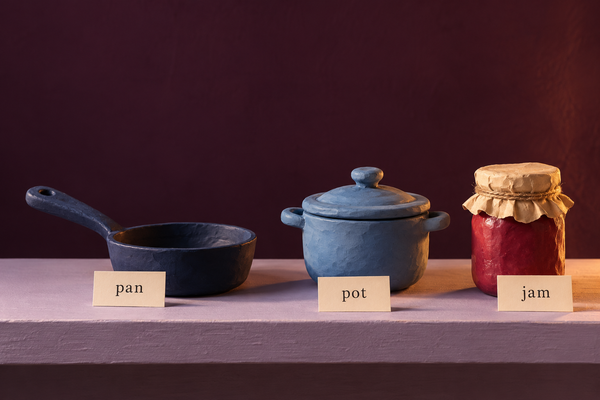
Print three known-pattern word cards for a Thanksgiving find, read and draw hunt, then use separate picture cards to check each word.
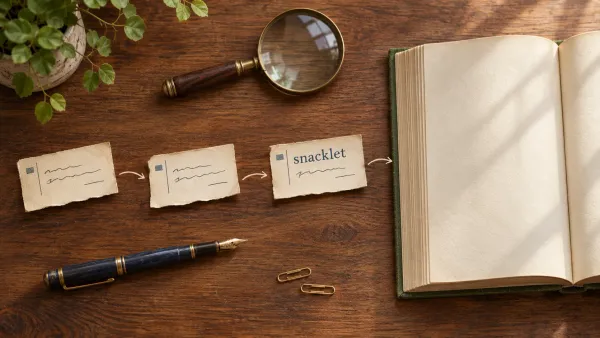
See how dictionary editors collect real examples, weigh evidence, and turn public usage into an entry without deciding which words are real.
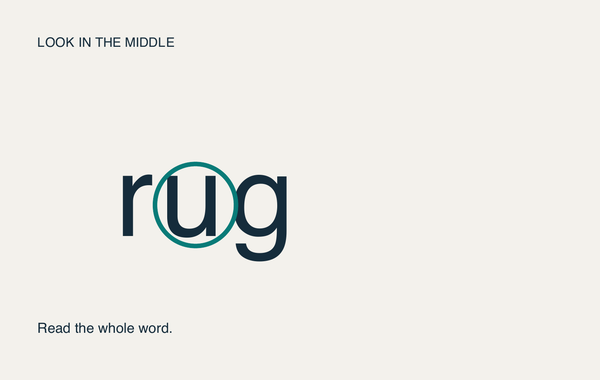
Choose one taught short vowel. Circle the middle letter, read three CVC words and draw one in a printable vowel gallery.
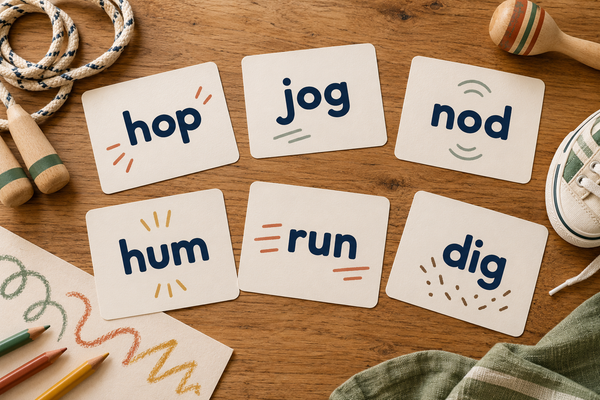
Print six action cards. Read a word made from taught sounds, try a small movement, then draw a movement mark for the next round.

Share the documented story of the small Daytona school Mary McLeod Bethune opened in 1904 and how it grew through education and community.
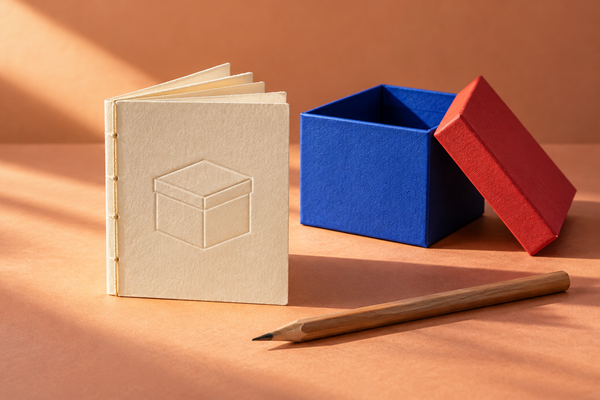
Check one book page against the spellings your child has learned. Print In the Box for a shared reading, drawing and book-making turn.
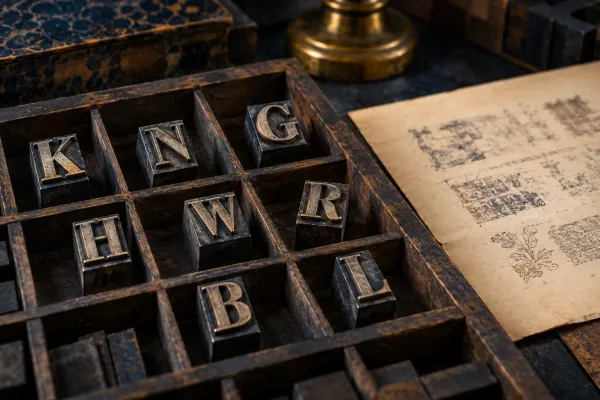
Why do knight, write and lamb keep letters we do not say? Follow the history that left old sounds and borrowed spellings on the page.

Print a three-frame story strip. Let your child draw a beginning, a change and an ending, then fold and open the pictures to tell their Halloween story.
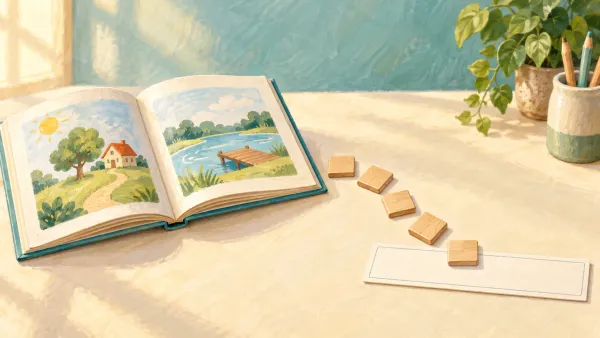
A calm fall-to-spring guide to kindergarten reading skills, with simple examples and five-minute activities you can try together at home.
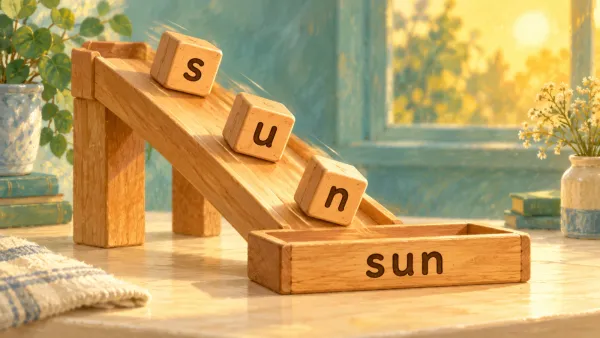
A clear, step-by-step guide to teaching your child to blend sounds into words: oral blending, continuous sounds, CVC words, what to try when it's stuck, and 5-minute daily practice.

If reading practice turns into a fight every night — the stalling, the tears, the guilt — you're not failing. Here's how to make it calm again.
struggling-readers
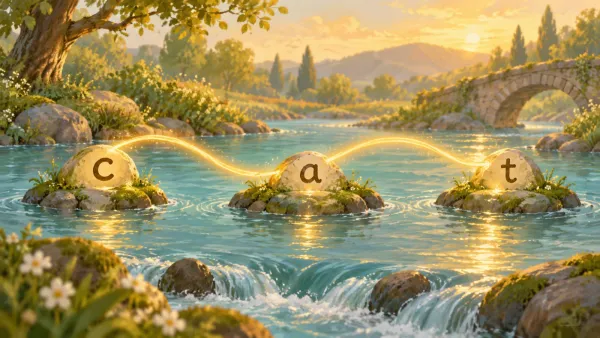
Your child can say c–a–t but the word never clicks into 'cat.' This is one of the most common — and most fixable — reading snags. Here's exactly what to do.
struggling-readers
Your child looks at the first letter — or the picture — and guesses. Here's why it happens, why sounding out pays off more, and how to gently make the switch.

struggling-readers
Lying awake wondering if you waited too long? The honest answer, what the research really says, and the first step that changes everything.
dyslexia
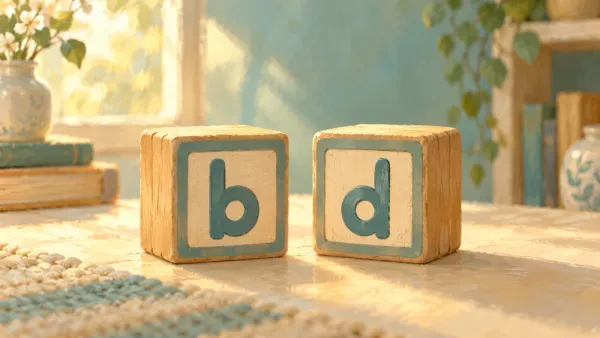
Wondering if it's dyslexia or just a delay? A calm, plain-English guide to the real signs, the b/d-reversal myth, and what to do either way.

struggling-readers
Late bloomer or actually stuck? A warm, honest guide to rough guideposts at 6, 7, and 8 — and when a little extra help makes a big difference.